Split, Croatia
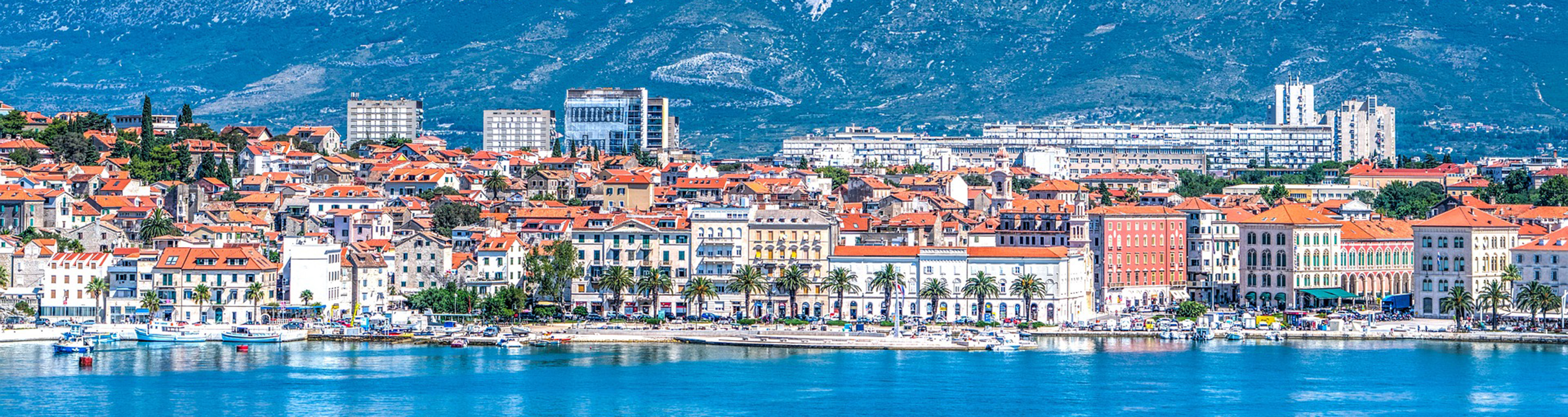
Split, the second-largest city in Croatia and the vibrant heart of the Dalmatian coast, is a living monument where antiquity seamlessly fuses with modern Mediterranean life. Conceived over 1,700 years ago within the monumental walls of Diocletian’s Palace—built by the Roman Emperor as his private residence—the city’s remarkably preserved historic core is honored as a UNESCO World Heritage site. Beyond its deep historical roots, Split serves as a major economic, scientific, and cultural powerhouse, anchoring southern Croatia with its bustling maritime port and renowned research institutions specializing in oceanography and heritage protection. Celebrated globally as a premier tourist resort and a legendary breeding ground for elite athletic talent across soccer, tennis, and basketball, this dynamic coastal hub remains a vital gateway connected directly to the Adriatic islands and the world beyond.
Population: The population of Split is approximately 160,000 (city proper) and up to 265,000 in the greater metropolitan area. The population of Croatia is approximately 3.82 million.
Location: Split is situated on the eastern coast of the Adriatic Sea (43°30′ N, 16°26′ E). Croatia is located in Southeast Europe, bordering the Adriatic Sea, between Central Europe and the Balkans.
Climate: The coastal climate of Croatia is typically Mediterranean, featuring dry, warm summers, sunny autumns, and mild, rainy winter months.
Local Time: The local time of Split is Greenwich Mean Time (GMT) +1, which is typically 9 hours ahead of Los Angeles.
Capital of Croatia: The capital of Croatia is Zagreb.
National Day of Croatia: Statehood Day, 30 May (1990).
Flag of Croatia: The flag of Croatia consists of three equal horizontal bands of red (top), white, and blue, with the historic Croatian coat of arms (a red and white chequered shield topped by a five-shield crown) centered in the middle.
Currency: The currency of Croatia is the euro (€ / EUR).

Contact
200 N Spring St.
Los Angeles, CA 90012
Email: sistercities@lacity.org
Website: sistercities.lacity.org