Giza, Egypt
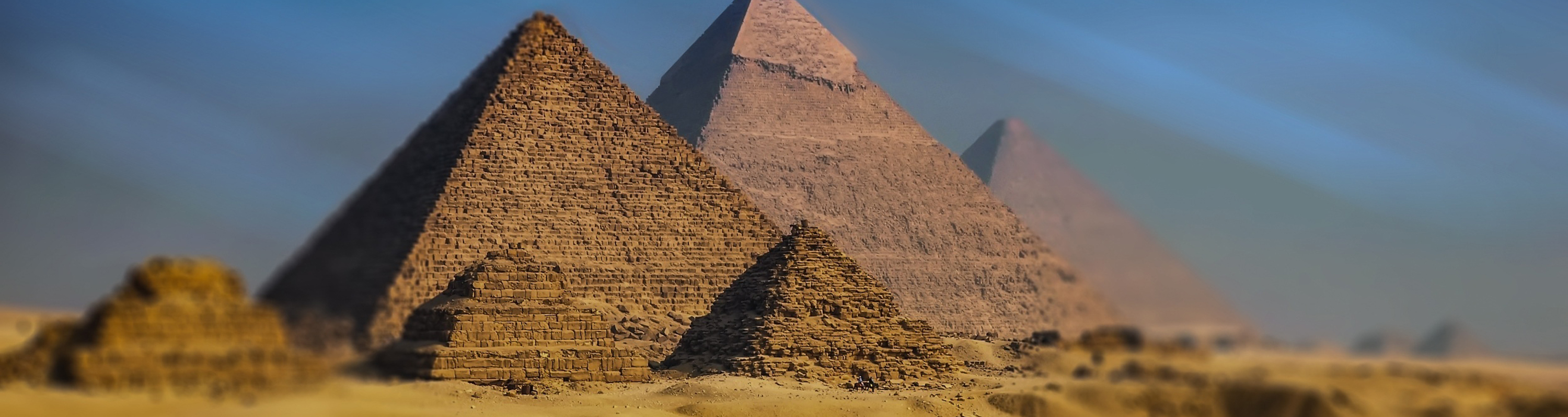
GIZA is world-renowned for its iconic pyramids. The city's historical apogee coincided with the reign of Salah al-Din, when its bustling Sunday market attracted vast crowds. However, the area's vulnerability to Nile floods historically caused major development problems; it was not until Khedive Ismail laid down Pyramids Road, drained the surrounding swamps, and built a palace in the 1860s that Giza became fashionable again. As Giza's population eventually topped one million in the 20th century, a massive wave of urban development rapidly replaced its crumbling historic villas.
Capital of Egypt: Cairo
Location: Located on the west bank of the Nile River, directly opposite Cairo in northern Egypt.
Population: The population of the Giza governorate is approximately 9.2 million, while the total population of Egypt is around 114 million.
Climate: Arid desert climate; characterized by hot, dry summers and mild, moderate winters with very minimal rainfall.
Local Time: Giza is on Eastern European Time (EET), which is UTC/GMT +2. During Daylight Saving Time (late April to October), Egypt shifts to Eastern European Summer Time (EEST), which is UTC/GMT +3. This makes Giza 10 hours ahead of Los Angeles (or 11 hours ahead depending on daylight saving transitions).
National Day: Revolution Day is celebrated on July 23, commemorating the 1952 revolution that established the Egyptian Republic.
Flag of Egypt: Features three equal horizontal bands of red (top), white (middle), and black (bottom). The national emblem—the Golden Eagle of Saladin facing the hoist side with a shield and an Arabic name scroll—is centered in the white band. The design is similar to the flag of Yemen, which features a plain white band.
Currency: Egyptian Pound (EGP / E£)
What's New

Contact
200 N Spring St.
Los Angeles, CA 90012
Email: sistercities@lacity.org
Website: sistercities.lacity.org